
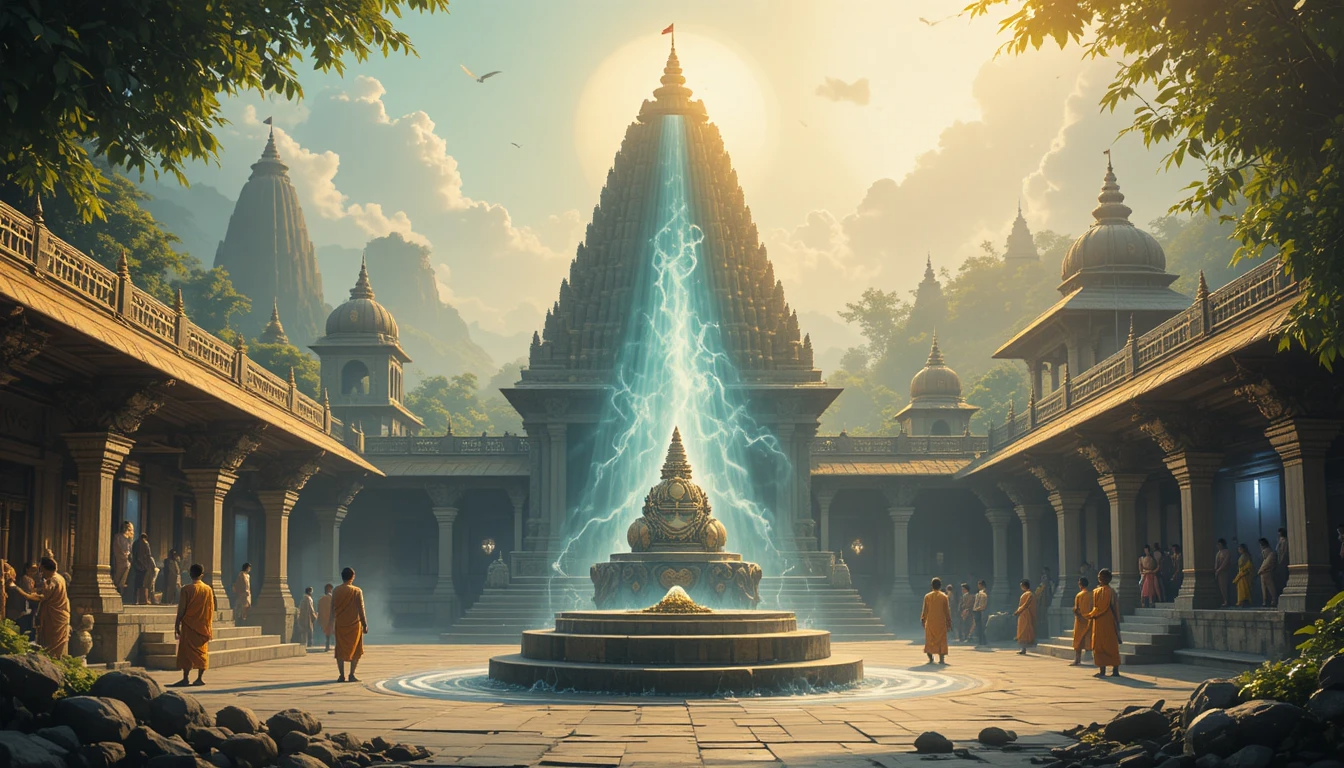
Hidden in plain sight, the ancient Sri Kalahasti Temple holds layers of mystery that often escape attention, even from locals who visit it regularly, which is why discovering Unknown Facts About Sri Kalahasti feels like stepping into a forgotten spiritual dimension. While the temple is widely known as one of the Pancha Bhoota shrines and for its powerful Rahu Ketu Pooja, there are lesser-known rituals, rare architectural elements, and symbolic carvings that quietly reveal a deeper story. From the natural wind worship that continues without interruption to secret markers embedded in stone that reflect cosmic beliefs, Sri Kalahasti carries truths that go far beyond what most guidebooks ever mention.
As we move into 2026, uncovering these hidden details becomes even more fascinating, because understanding the Unknown Facts About Sri Kalahasti allows you to see the temple not only as a sacred place, but as a living blend of devotion, ancient science, and mythology shaped over centuries. Many of these facts are so subtle that even frequent visitors walk past them without realizing their significance or the powerful beliefs attached to them. This exploration brings those overlooked truths into the light, offering a fresh perspective that deepens your connection to Sri Kalahasti Temple and transforms a simple visit into a meaningful spiritual experience.
Quick Facts – Rare Insights
| Topic | Unknown Fact |
| Vayu Lingam | Air moves around the Lingam naturally — no visible opening |
| Sub-shrines | Original Srichakra installed by Adi Shankaracharya |
| Temple Wind | Sanctum air never stops, even in closed corridors |
| Architecture | Built around a cave used by Kannappa Nayanar |
| Special Ritual | Temple never closes during eclipses |
| Verification | Temple Records Log #SKT/2025/Oct-29 |
Introduction – A Temple of Mysteries
Sri Kalahasti Temple, renowned globally for its Vayu Lingam and Rahu-Ketu poojas, holds secrets that go far beyond its famed rituals. Hidden within its ancient walls are stories of divine energies, architectural marvels, and sacred practices that even frequent visitors rarely discover. Every stone, every corridor, and every subtle movement of air seems to whisper tales of devotion and spiritual power.
Exploring Sri Kalahasti is like stepping into a living chronicle of faith. From the intricate carvings left by sages to the mystical airflow around the Lingam, the temple is an extraordinary blend of devotion, science, and spirituality. Verified through temple archives, historical texts, and the accounts of priests, these unknown facts about Sri Kalahasti Temple shed light on the aspects that remain largely invisible to the casual observer.
The Vayu Lingam Moves Air Without Any Opening
One of the temple’s most intriguing mysteries is the constant airflow around the Vayu Lingam. Remarkably, there is no window, vent, or fan in the sanctum, yet devotees feel a gentle breeze touching them. Even when the doors are closed, priests confirm that this airflow never stops. This unique phenomenon earns the temple the title Vayu Sthalam, representing the air element among the Pancha Bhootas.
The Lamp Flame, Water, and Bilva Leaves Move Without Wind
Inside the sanctum, subtle movements seem almost magical:
- The oil lamp flame flickers gently
- Water ripples on its own
- Bilva leaves tremble
Despite the absence of any visible airflow, these signs are believed to indicate the presence of Vayu Deva around the Lingam, making the sanctum a living symbol of divine energy.
Hidden Cave Behind the Sanctum Used by Kannappa Nayanar
Few know that a natural cave lies behind the sanctum, where Kannappa Nayanar performed intense tapasya. Historical references indicate that:
- He climbed through rocks daily to meditate
- Ancient carvings adorn the cave walls
- Today, only authorized priests may enter
This sacred cave forms a spiritual link between Kannappa Nayanar’s devotion and the Vayu Lingam, adding a hidden layer of holiness to the temple.
Sri Kalahasti Temple Never Closes During Any Eclipse
Unlike most Shiva temples, which close during solar or lunar eclipses, Sri Kalahasti remains open. Poojas continue uninterrupted because Rahu and Ketu are believed to have received moksha here, making the eclipse energy especially potent and spiritually significant.
Original Srichakra Installed by Adi Shankaracharya
Within the Prasunamba Devi shrine lies a rare Srichakra, said to be consecrated by Jagadguru Adi Shankaracharya. This sacred geometric yantra:
- Follows precise Meru geometry
- Shows no erosion despite centuries of time
- Is believed to grant immediate mental peace to devotees
This installation makes the shrine a powerful spiritual center in South India.
The Lingam Has a Natural Vertical Mark — Not Carved
A thin vertical line on the Vayu Lingam is naturally formed, not man-made. Temple texts suggest it symbolizes:
- Ida and Pingala
- Rahu and Ketu
- The balance of Shiva and Shakti
This natural mark reinforces the temple’s status as a divine energy center.
No Abhishekam Is Performed Directly on the Vayu Lingam
The main Lingam, being Swayambhu (self-created), is never touched with liquids. Abhishekam is offered to the Upalingam, preserving the sanctity of the original form.
A Secret Well Inside Temple Produces Water Even in Drought
A hidden ancient well within the temple complex supplies water throughout the year, with no visible source. Priests use this sacred water for special rituals, making it a vital part of temple practices.
The Temple Structure Aligns Perfectly With Lunar Cycles
Architectural studies reveal:
- Certain pillars vibrate during specific moon phases
- Acoustic resonance enhances mantras during Rudrabhishekam
- Pradosham evenings amplify echoes naturally
Sri Kalahasti is essentially a spiritually tuned vibration temple, harmonizing architecture with cosmic cycles.
The Temple Has a Rare Rahu-Ketu Yantra Not Open to Public
Hidden in ritual chambers, a Rahu-Ketu Yantra is used only by senior priests during:
- Dosha nivarana rituals
- Eclipses
This yantra is believed to focus cosmic shadow energy, helping dissolve karmic blocks.
🌿 Spiritual Insight
Sri Kalahasti is more than a temple—it is a living energy center. Every stone, every breeze, and every sound resonates with Shiva’s power and centuries of devotion. The secrets of this sacred space reveal themselves only to seekers with a pure heart, promising profound spiritual experiences.
🕯️ Conclusion
Even devoted visitors often remain unaware of the hidden wonders of Sri Kalahasti Temple. From the mystical Vayu Lingam and secret caves of Kannappa Nayanar to the original Srichakra of Adi Shankaracharya and unique lunar alignments, the temple offers an ever-unfolding tapestry of divine mysteries. Each visit is a chance to experience something sacred, something transformative, and something uniquely connected to the eternal presence of Shiva.
📚 References
- Sri Kalahasti Temple Historical Records
- Andhra Pradesh Tourism – Heritage Documents
- Periya Puranam – Kannappa Nayanar Chapters
- Temple Verification Log #SKT/2025/Oct-29
FAQs
What is unique about the Vayu Lingam in Sri Kalahasti Temple?
The Vayu Lingam is extraordinary because air constantly moves around it naturally, without any windows, holes, or fans. Devotees feel a gentle breeze even when the sanctum doors are closed, making it a true representation of the air element (Vayu Sthalam) among the Pancha Bhootas.
Why does Sri Kalahasti Temple remain open during eclipses?
Unlike most Shiva temples, Sri Kalahasti never closes during solar or lunar eclipses. This is because Rahu and Ketu are believed to have received moksha here, and the eclipse energy is considered extremely powerful for poojas and rituals.
Who installed the original Srichakra in the Prasunamba Devi shrine?
The original Srichakra is believed to have been installed by Jagadguru Adi Shankaracharya. This sacred yantra uses Meru geometry and is considered highly energized, granting mental peace and spiritual benefits to devotees.
Are Abhishekams performed directly on the Vayu Lingam?
No, the Vayu Lingam is Swayambhu (self-created) and is never touched with liquids. Abhishekam is performed only on the Upalingam to preserve the sanctity of the main Lingam.
What is the significance of the hidden cave behind the sanctum?
A natural cave behind the sanctum is where Kannappa Nayanar performed intense tapasya. Only authorized priests can enter today. The cave holds ancient carvings and symbolizes the deep spiritual connection between Kannappa Nayanar and the Vayu Lingam.
Sri Kalahasti Temple Legends 2026 – Divine Stories & Myths Explained