
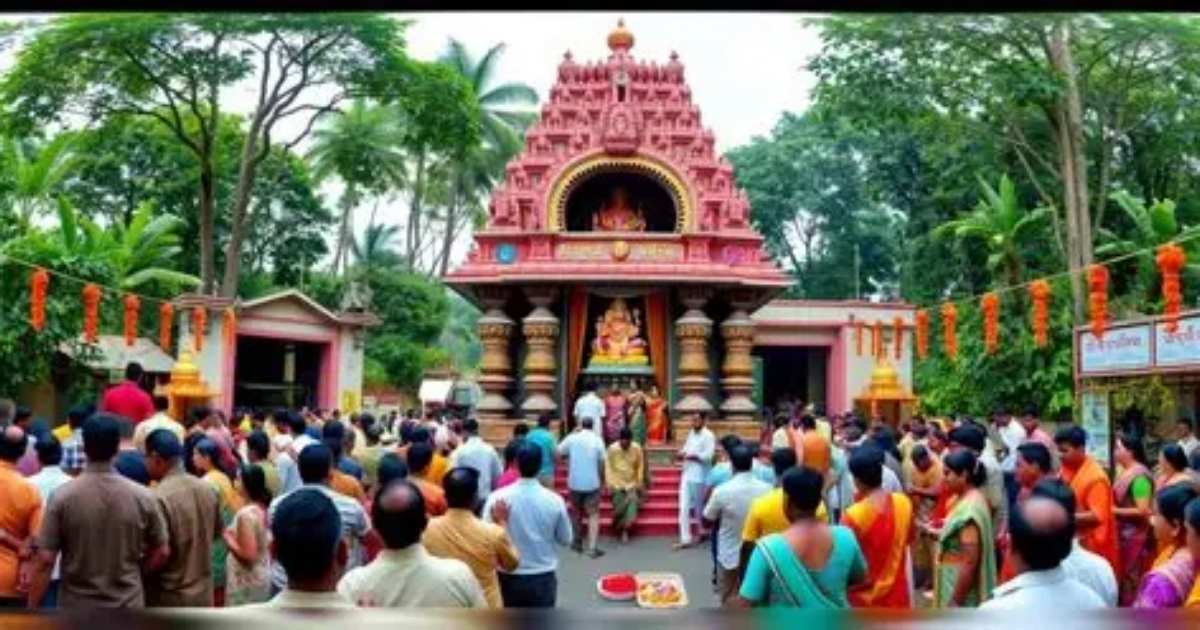
Visiting a temple can be exciting, but it’s confusing if you don’t know the Panakala Narasimha Swamy Temple timings, Panakala Swamy Temple timings, or the Mangalagiri Panakala Swamy Temple timings. I’ve often worried about missing rituals or darshan inside Mangalagiri temple because the Mangalagiri Narasimha Swamy Temple timings weren’t clear.
This blog will guide you through everything about the Narasimha Swamy Temple. You’ll get accurate temple timings, festival details, and tips for a smooth visit so you can fully enjoy the spiritual experience without any stress.
The Temple’s Unique Significance
Nestled atop the sacred Mangalagiri hill, the Narasimha Swamy Temple is more than just an architectural marvel,it’s a beacon of faith for devotees across Andhra Pradesh. Pilgrims are drawn not only to its spiritual energy but also to the rare Panakam ritual, where jaggery water is offered to Lord Narasimha, symbolizing divine acceptance.
The temple’s significance extends beyond rituals. Its history, ancient design, and serene hilltop location create a space where visitors can reflect, connect, and feel a profound sense of peace. Every visit is a blend of devotion, culture, and the unique charm of South Indian temple traditions.
What Makes It So Special?
- Panakam Ritual : The sacred offering of jaggery water directly to Lord Narasimha is a rare and mesmerizing tradition.
- Self-Manifested Deity : The idol is believed to have appeared naturally, adding a mystical aura to the temple.
- Hilltop Location : Perched on Mangalagiri hill, the temple offers both spiritual elevation and panoramic views.
- Ancient Architecture : Carved into the hill, the temple blends seamlessly with nature, showcasing timeless South Indian design.
- Sacred Steps : Climbing the stone steps is a devotional act that many pilgrims find deeply moving.
- Spiritual Magnetism : Visitors often experience a sense of inner peace and calm during darshan.
- Cultural Significance : The temple plays a key role in Hindu pilgrimage traditions of Andhra Pradesh.
- Festive Energy : Festivals like Brahmotsavam bring vibrant rituals, music, and processions that immerse devotees.
- Divine Blessings : The temple is renowned for fulfilling prayers and granting blessings to sincere devotees.
- Unique Experience : From rituals to the serene atmosphere, the temple offers a spiritual journey unlike any other.
The Legend Behind the Temple
Long ago, a fierce demon named Namuchi threatened the balance of the worlds, and the gods struggled to stop him. To restore order, Lord Vishnu assumed his powerful Narasimha form, a half-man, half-lion incarnation, to defeat the demon. The tale says his fury was so intense that even the heavens trembled, until prayers from Goddess Lakshmi and the sages finally calmed him.
It is believed that after the battle, Lord Narasimha chose Mangalagiri hill as his resting place, making it sacred for generations. The tradition of offering Panakam, sweet jaggery water, originated here as a way to appease the deity’s fiery nature,a ritual that continues to connect devotees with the legend and the divine presence even today.
Architecture and Devotional Vibes
The Narasimha Swamy Temple may not be grand in size, but its hilltop architecture exudes timeless charm. Carved directly into Mangalagiri hill, the sanctum blends naturally with the rocky terrain, offering a unique visual harmony that reflects the simplicity and strength of South Indian temple design.
Climbing the stone steps, visitors are immersed in a serene, devotional atmosphere. Incense fills the air, soft chants echo gently, and every step feels like a quiet act of prayer, creating an experience where architecture and spirituality intertwine seamlessly.
Highlights of the Temple’s Structure & Experience
- Hilltop Sanctum : Built into Mangalagiri hill, offering both spiritual elevation and scenic views.
- Stone Steps : 463 steps symbolize devotion and provide a reflective, meditative climb.
- Natural Integration : Temple architecture blends seamlessly with the rocky hill, preserving its ancient charm.
- Simple Sanctum : Focused on spiritual power rather than elaborate decorations.
- Sacred Atmosphere : Incense, chants, and rituals create a calming, devotional environment.
- Absence of Gopuram : Unlike many South Indian temples, no towering entrance, adding to its uniqueness.
- Ritual Spaces : Special areas for Panakam offering and other devotional practices.
- Panoramic Views : Hilltop location provides stunning vistas of Mangalagiri and surrounding towns.
- Devotional Ambiance : The temple hums with spiritual energy, especially during festival days.
- Accessible Experience : Both pilgrims and curious travelers can enjoy the spiritual and cultural essence of the temple.
Festivals and Celebrations
The Narasimha Swamy Temple truly comes alive during its festivals, where devotion and culture merge in vibrant celebration. The most notable is the Brahmotsavam festival, held annually in March or April, when the hill and surrounding town bustle with processions, music, and rituals, drawing thousands of enthusiastic devotees from near and far.
During these occasions, the sacred Panakam offering takes on special significance, symbolizing faith and connection to the divine. Families don traditional attire, streets fill with the aroma of prasadam, and every ritual, chant, and ceremony reflects centuries of spiritual tradition, creating an unforgettable cultural and religious experience.
Major Celebrations at the Temple
- Brahmotsavam Festival : A 10-day annual event with processions, music, and cultural performances.
- Narasimha Jayanti : Celebrates the divine appearance of Lord Narasimha with special rituals.
- Panakam Rituals : Performed daily and with greater participation during festivals.
- Special Archana & Maharnivedana : Offered on auspicious full moon days and festival occasions.
- Chariot Processions : The deity is taken on ceremonial rides around the hill during key festivals.
- Evening Aartis : Devotional light rituals enhancing the spiritual ambiance of the temple.
- Cultural Performances : Traditional music and dance accompany major festival celebrations.
- Decorative Festooning : The temple and surrounding streets are adorned with flowers and lights.
- Devotee Participation : Families, children, and spiritual seekers engage actively in rituals.
- Special Prasadam Distribution : Sweet offerings and Panakam are shared among devotees during festivities.
A Must-Visit Spiritual Experience
Climbing the hill to the Narasimha Swamy Temple is more than just a journey,it’s a spiritual passage. Each step on the stone path feels like a quiet act of devotion, and by the time you reach the sanctum, the noise of the outside world fades away. The atmosphere, filled with chants, incense, and the gentle hum of prayers, creates a profound sense of inner peace and reflection.
Even for visitors who may not consider themselves religious, the experience offers a unique perspective on faith, culture, and tradition. Witnessing the Panakam ritual, observing the devotion of fellow pilgrims, and soaking in the serene surroundings combine to make every visit deeply memorable.
Why You Should Visit
- Connect with Divinity : The temple exudes spiritual energy that fosters calm and clarity.
- Witness Unique Rituals : The Panakam offering is unlike any other in India.
- Hilltop Serenity : Enjoy breathtaking panoramic views of Mangalagiri and surrounding areas.
- Cultural Immersion : Experience centuries-old South Indian traditions and temple customs.
- Accessible for All : Both spiritual seekers and casual travelers can enjoy the visit.
- Festivals & Celebrations : Vibrant rituals, music, and processions enhance the experience.
- Historical Significance : Learn about the temple’s ancient origins and legends.
- Peaceful Reflection : The calm environment offers a chance to meditate or pray.
- Engaging Devotional Atmosphere : Participate in a living tradition alongside devotees.
- Memorable Photography & Views : Capture stunning visuals of the hilltop temple and surroundings.
Panakala Swamy Temple Timings
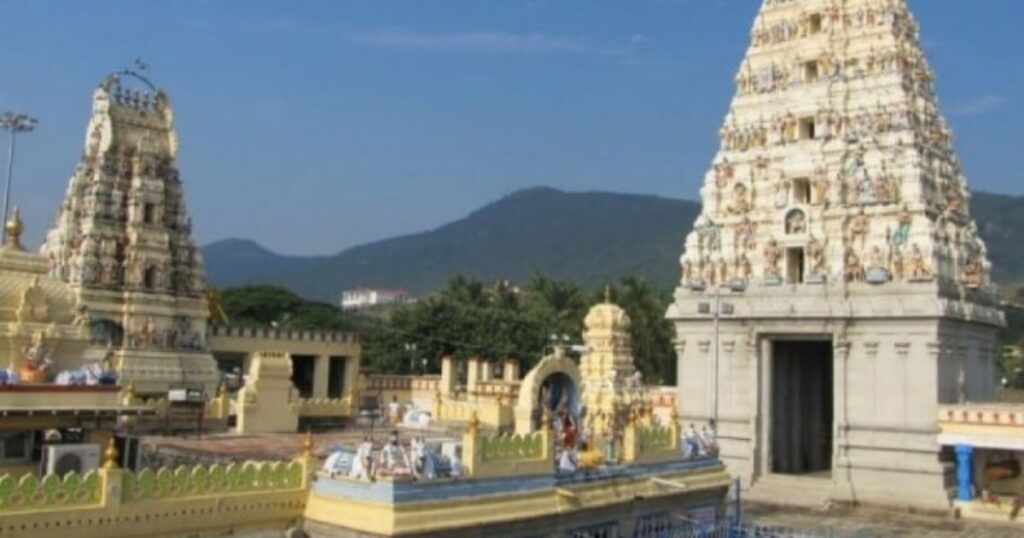
Knowing the correct Panakala Swamy Temple timings is essential for a smooth and fulfilling visit. The temple generally operates in two main sessions: a morning session for devotees eager to witness or participate in the sacred Panakam ritual, and an evening session for general darshan and aarti. Arriving at the right time ensures you experience the rituals in their full spiritual depth.
During major festivals like Brahmotsavam or Narasimha Jayanti, the temple often extends its hours to accommodate larger crowds and special ceremonies. Planning your visit around these timings not only helps avoid long waits but also allows you to immerse fully in the temple’s devotional atmosphere, making every moment meaningful.
Daily Panakala Swamy Temple timings
| Day | Morning Hours | Evening Hours |
| Monday:Sunday | 5:30 AM : 12:00 PM | 4:00 PM : 8:00 PM |
Important Notes
Arrive early in the morning if you want to witness or participate in the Panakam ritual, especially on weekends or festival days. The evening session tends to be quieter, offering a peaceful darshan experience and a chance to soak in the serene hilltop ambiance.
Check for local updates or call ahead during major festivals, as timings may adjust. Whether your goal is devotion, photography, or simply enjoying the calm surroundings, planning around the temple’s schedule ensures a smooth and memorable visit.
Tips for Planning Your Visit
- Arrive early in the morning to witness the sacred Panakam offering at its best.
- Visit on weekdays or during non-peak hours if you prefer a calmer experience.
- Evening darshan offers a peaceful atmosphere, ideal for reflection and photography.
- Check festival schedules in advance, as timings may vary during special occasions.
- Wear comfortable shoes for climbing the stone steps to the hilltop temple.
- Carry water and light snacks, especially if visiting during warmer months.
- Plan extra time to explore nearby attractions or enjoy the scenic hilltop views.
By following these tips, you can make the most of your visit to the Narasimha Swamy Temple. Proper planning ensures you experience the rituals, festivals, and serene surroundings without any stress, leaving you with lasting memories of this sacred hilltop destination.
How to Reach Pankala Narasimha Swamy Temple
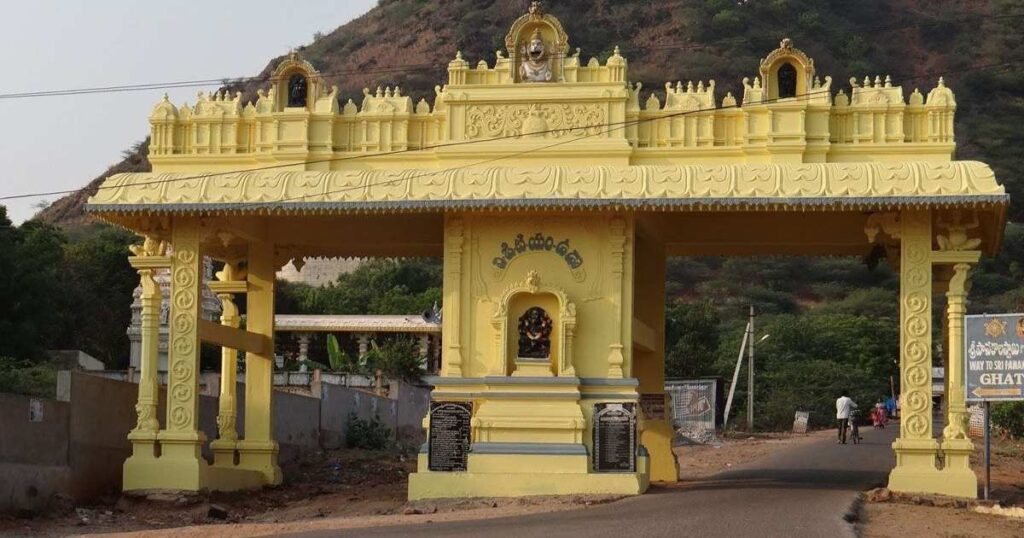
Reaching the Pankala Narasimha Swamy Temple is easy, whether you’re coming from Mangalagiri or nearby cities. You can climb the sacred hill steps for a devotional experience or use the smooth ghat road that takes vehicles directly to the top. Public buses, autos, and taxis also run frequently, making the trip convenient for all visitors.
By Foot or Road
- On Foot: Climb approximately 463 stone steps to reach the hilltop Narasimha Swamy Temple. The walk is peaceful and immersive, perfect for a devotional experience. Each step offers a chance to connect with the spiritual ambiance of Mangalagiri hill.
- By Road: A ghat road provides easy access for cars, taxis, and bikes. This route is ideal for travelers with limited mobility or those preferring a more relaxed approach, while still enjoying the temple’s sacred atmosphere.
By Public Transport
Visitors can easily reach the Narasimha Swamy Temple using public transport from nearby cities. Regular APSRTC buses connect Vijayawada and Guntur to Mangalagiri, with a short ride to the hilltop. For those traveling by train, Mangalagiri Railway Station is just over 1 km from the temple, making it convenient for pilgrims arriving from Vijayawada Junction or other nearby towns.
Local Transport Tips
For getting around Mangalagiri and reaching the Narasimha Swamy Temple, auto-rickshaws and taxis are convenient and readily available. Travelers who prefer a more flexible option can self-drive or hire a vehicle, as the ghat road provides easy access to the hilltop and ample parking. Planning ahead and knowing the local routes can make your temple visit smoother and more enjoyable.
- Peak Hour Planning : Try to avoid traveling during busy hours in Vijayawada and Guntur to minimize delays, especially if you’re catching a bus or taxi to the temple.
- Travel Apps & Local Guidance : Using local ride-hailing apps or asking hotel staff/locals for the fastest routes can save time and ensure a stress-free ascent to the temple.
Nearby Places to Visit
The Narasimha Swamy Temple is conveniently located between Vijayawada and Guntur, making it easy to explore other spiritual and historic sites nearby. Visitors can enjoy ancient temples, scenic spots, and cultural landmarks, adding more depth to their pilgrimage or sightseeing trip.
From rock-cut caves to riverside getaways and Buddhist relics, the surrounding area offers a mix of spirituality, history, and relaxation. Exploring these attractions gives travelers a richer understanding of Andhra Pradesh’s heritage while complementing the temple visit.
Must-Visit Attractions Near Panakala Swamy Temple
- Kanaka Durga Temple (Vijayawada) : Perched on Indrakeeladri Hill, this iconic Goddess temple draws devotees from across the region.
- Undavalli Caves : Stunning rock-cut cave temples with intricate carvings and a massive reclining Vishnu sculpture.
- Amaravati Stupa : An important Buddhist heritage site with ancient relics and serene surroundings.
- Bhavani Island : A scenic Krishna River getaway perfect for boating, picnics, or relaxing amidst nature.
- Prakasam Barrage : A picturesque viewpoint over the Krishna River, especially captivating at sunset.
- Kondapalli Fort : A historic hilltop fortress with panoramic views and local craft exhibitions.
- Undavalli Lakshmi Narasimha Temple : Another ancient shrine showcasing South Indian temple architecture.
- Vijayawada Museum & Art Gallery : Offers insight into the region’s history, art, and culture.
- Mangalagiri Handloom Center : Famous for traditional cotton and silk fabrics, perfect for souvenirs.
- Gandhi Hill : A peaceful spot featuring a Gandhi memorial, a planetarium, and panoramic city views.
Exploring these attractions adds variety and depth to your trip, allowing you to combine spiritual experiences, history, and leisure. Whether you’re interested in ancient architecture, scenic landscapes, or cultural heritage, these nearby sites complement the visit to the Narasimha Temple and make the journey more memorable.
Frequently Asked Questions
What are the exact Narasimha Swamy Temple timings?
The temple opens in the morning and evening, and knowing the exact timings helps you plan a smooth darshan.
Is there an entry fee to visit Narasimha Swamy Temple?
Visiting the temple is completely free, and devotees may offer donations voluntarily if they wish to support rituals performed inside.
How long does a visit to Narasimha Swamy Temple usually take?
A full visit to Narasimha Swamy Temple typically takes one to two hours, including darshan and rituals.
Can elderly or disabled visitors reach Narasimha Swamy Temple easily?
Yes, the ghat road provides smooth access to the hilltop, making the visit comfortable and manageable for elders and all devotees.
What is special about the Panakam ritual at Narasimha Swamy Temple?
The Panakam ritual involves offering jaggery water to the deity, a sacred act believed to symbolize deep divine acceptance and blessings.
Conclusion
Visiting the Narasimha Swamy Temple is a peaceful and spiritual experience. Knowing the Panakala Narasimha Swamy Temple timings, Panakala Swamy Temple timings, and Mangalagiri Panakala Swamy Temple timings helps you plan well. Inside Mangalagiri temple, every ritual feels special. Following the Mangalagiri Narasimha Swamy Temple timings ensures you don’t miss the sacred Panakam offering.
The Narasimha Swamy Temple offers calm views, devotional climbs, and a connection to tradition. Checking the Panakala Narasimha Swamy Temple timings and exploring inside Mangalagiri temple makes the visit smooth. The Narasimha Swamy Temple leaves a lasting impression of faith, devotion, and divine blessings.
Komuravelli Mallanna Temple: The Ultimate Guide