
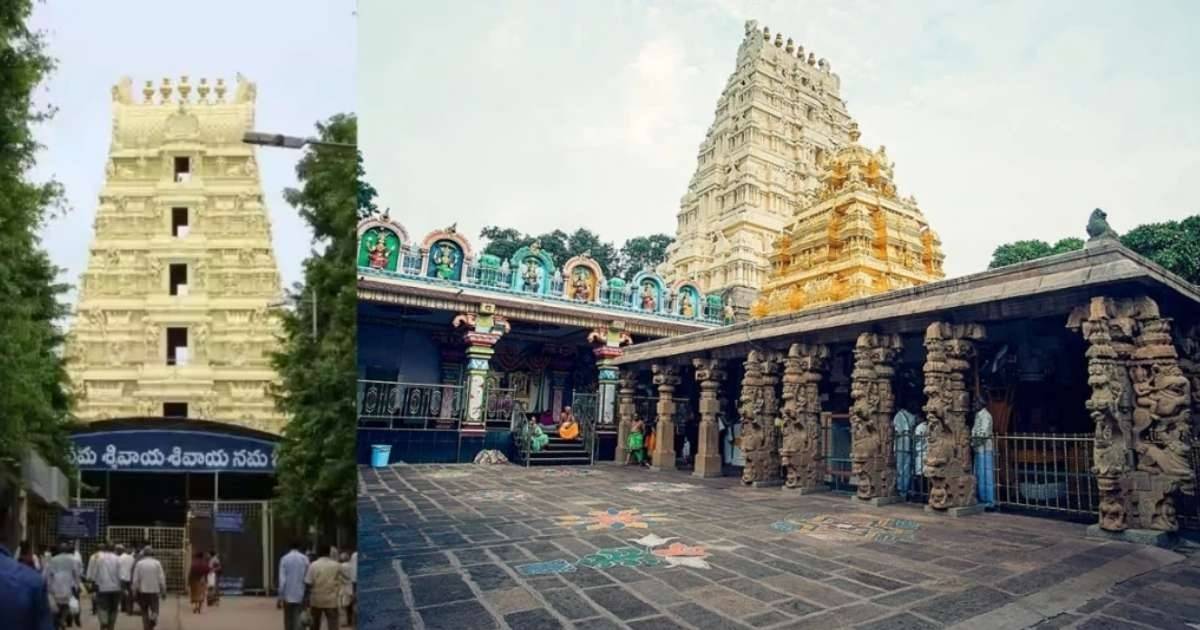
Planning a visit to a temple can be exciting but also confusing, especially when it comes to darshan timings and special sevas. I felt the same way when trying to organize my trip to the Srisailam Temple,everything online seemed different, and I didn’t want to miss any important rituals.
This guide will walk you through the Srisailam Temple visit step by step, covering darshan schedules, daily sevas, festival highlights, and online booking tips. By following it, you’ll have all the essential information to enjoy a smooth, memorable, and spiritually fulfilling pilgrimage.
Mythological and Historical Significance
The Srisailam Temple stands as a remarkable blend of mythology and history, where devotion has flourished for centuries. Revered as both a Jyotirlinga and Shakti Peetha, it connects devotees to the divine presence of Lord Mallikarjuna Swamy and Goddess Bhramaramba.
Ancient legends, scriptures, and inscriptions from dynasties like the Chalukyas and Kakatiyas reflect the temple’s spiritual importance and rich heritage. Visiting here is not just a ritual,it’s a journey through sacred stories and timeless devotion.
The Legend of Srisailam
According to legend, Srisailam became sacred when Lord Shiva manifested as Mallikarjuna Swamy to bless devotees seeking his guidance, accompanied by Goddess Bhramaramba. Tales from the Puranas recount the divine events on this hill, making it one of the rare sites where Shiva and Shakti are worshipped together. The temple’s spiritual aura draws pilgrims who wish to connect with these ancient, powerful stories.
Historical Background
Srisailam Temple has been a center of devotion for over two millennia, with contributions from dynasties like the Satavahanas, Chalukyas, Kakatiyas, and Vijayanagara rulers. Inscriptions, renovations, and land grants over the centuries highlight its historical and cultural significance. Today, it stands not just as a religious site but as a testament to India’s enduring spiritual heritage.
Temple Architecture
The Srisailam Temple is a stunning example of Dravidian architecture, featuring towering gopurams, intricately carved pillars, and expansive stone halls. Built over centuries under dynasties like the Chalukyas, Kakatiyas, and Vijayanagara rulers, it beautifully blends artistic detail with spiritual symbolism. Every sculpture, corridor, and sanctum reflects both devotion and craftsmanship, making the temple a marvel for devotees and history enthusiasts alike.
Key Structures Within the Temple
The Srisailam Temple complex houses several sacred and architecturally significant structures that capture both spiritual and historical essence. The Garbhagriha holds the Swayambhu Lingam of Lord Mallikarjuna Swamy, while the shrine of Goddess Bhramaramba Devi draws thousands of devotees seeking blessings. Structures like the Mukha Mandapa and the Dwajasthambam showcase intricate carvings, reflecting centuries of devotion and craftsmanship.
Other prominent features include towering Gopurams, pillared corridors, meditation halls, and sacred water tanks. Each of these elements contributes to the temple’s grandeur and guides pilgrims through a spiritually immersive journey. Visitors can explore these structures while gaining insight into the temple’s historical evolution and architectural brilliance.
Srisailam Darshan Timings
The Srisailam Temple opens early each day to accommodate devotees for Suprabhata Seva, followed by morning and evening darshan. VIP Darshan and Athi Seegra Darshan slots are available at specific times for those who prefer a quicker or more exclusive experience. Arriving early is recommended, especially during festivals like Maha Shivaratri or Karthika Masam, as crowds can be substantial.
Darshan timings are subject to minor changes during special rituals and festive seasons, so checking the official temple website beforehand is advised. Planning your visit around these slots ensures a smooth and fulfilling spiritual experience.
| Darshan / Seva Type | Timing | Notes / Details |
| Temple Opens | 4:30 AM | Begins with Suprabhata Seva |
| Suprabhata Seva | 4:30 AM – 5:00 AM | Special seva ticket required |
| Morning General Darshan | 6:00 AM – 1:00 PM | Open to all; queues vary |
| Rudrabhishekam Seva | 6:00 AM – 1:00 PM | Online booking recommended |
| Temple Break | 1:00 PM – 4:00 PM | Closed for midday rituals |
| Evening General Darshan | 4:00 PM – 7:30 PM | Evening rituals and aarti |
| Panchamruta Abhishekam | 6:00 AM – 7:00 AM | Performed on select days |
| Kalyanotsavam | 11:00 AM (select) | Special ticket required |
| VIP Darshan | 7:30 AM – 9:00 AM | Paid service; pre-booking recommended |
| Athi Seegra Darshan | 10:30 AM – 12:00 PM | Quick entry option; paid |
| Temple Closes | 8:30 PM | After final evening aarti |
| Kumkum Archana | 6:00 AM – 7:30 AM | Small fee; daily ritual |
| Ashtottara Namarchana | 6:30 AM – 7:30 AM | Chanting 108 divine names |
| Sparsha / Special Darshan | Varies | Certain days allow touching Lingam |
| Special Festival Darshan | Festival timings | Adjusted schedule during Maha Shivaratri, Karthika Masam |
Important Tips
- Arrive Early: To avoid long queues, especially during festivals like Maha Shivaratri or Karthika Masam, reach the temple well before darshan timings.
- Book Sevas Online: Reserve VIP Darshan, Athi Seegra Darshan, or special rituals through the official Srisailam Devasthanam website to secure your slot.
- Carry Valid ID: Keep government-issued ID proofs ready for all devotees while entering the temple or booking online sevas.
- Dress Appropriately: Modest, traditional attire is recommended for respect and comfort inside the temple complex.
- Check Timings: Darshan schedules may change on festival days, so verify the latest timings online before your visit.
- Avoid Mobile Phones Inside: Cameras and phones are generally not allowed inside the sanctum; leave them at cloakrooms or designated counters.
- Plan Your Visit: Allocate at least 3–4 hours to cover darshan, sevas, and temple exploration without rushing.
- Stay Hydrated: Carry water and light snacks for long queues, especially during summer months.
- Respect Local Customs: Follow temple rules, maintain silence in meditation halls, and respect priests and volunteers.
- Combine Nearby Attractions: Visit Pathala Ganga, Akkamahadevi Caves, and Srisailam Dam for a complete spiritual and scenic experience.
Entry Fees, Sevas & Rituals at Srisailam Temple
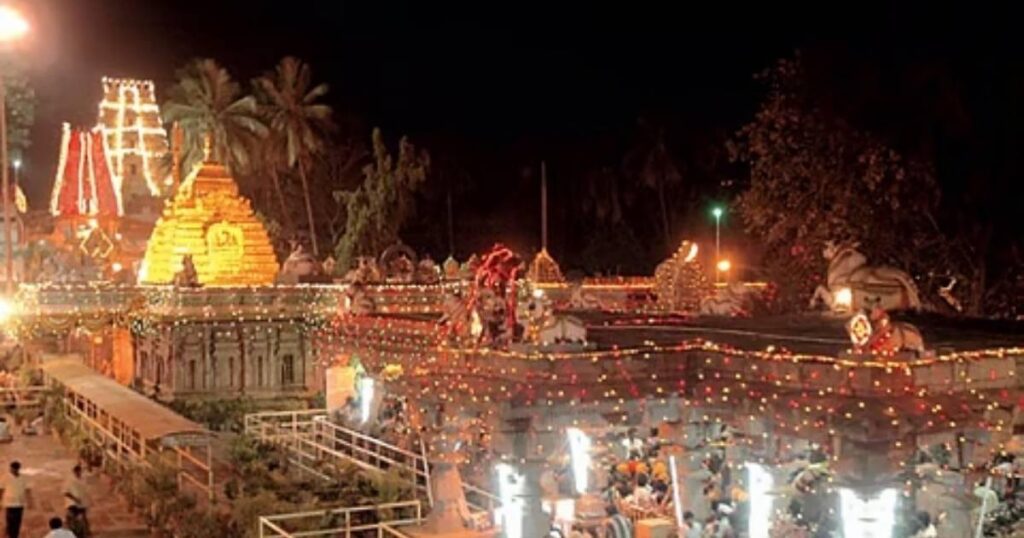
General darshan at Srisailam Temple is usually free, welcoming devotees of all backgrounds. Special services like VIP Darshan, Athi Seegra Darshan, and ritual-specific sevas require fees, offering a more personalized spiritual experience.
Seva charges range from ₹50 for simple offerings like Kumkum Archana to several thousand rupees for elaborate rituals such as Maha Rudrabhishekam or Kalyanotsavam. Most services can be booked online for convenience, helping devotees plan their visit efficiently.
Daily Sevas at Srisailam Temple
The Srisailam Temple offers a rich schedule of daily sevas, each with its own spiritual significance. Performed with devotion and precision, these rituals allow devotees to connect deeply with the divine and seek blessings from Lord Mallikarjuna Swamy and Goddess Bhramaramba.
Popular Daily Sevas:
- Suprabhata Seva – Waking the deity at dawn, ₹50–₹100
- Rudrabhishekam – Sacred bathing with milk, honey, and curd, ₹200–₹600
- Panchamruta Abhishekam – Using milk, curd, ghee, honey, and sugar, ₹300+
- Kumkum Archana – Offering prayers to Goddess Bhramaramba Devi, ₹50
- Ashtottara Sata Namarchana – Chanting 108 divine names, ₹100
- Abhishekam with Holy Water – Ritual cleansing of the deity, ₹150
- Archana & Naivedyam – Daily offerings of food and flowers, ₹100
- Alankaram Seva – Decorating the deity with ornaments and flowers, ₹200
- Deepa Aradhana – Lamp offerings in the sanctum, ₹50
- Muhurtham Pooja – Auspicious timing rituals, ₹150
- Sparsha Darshan – Special darshan for devotees, ₹50–₹200
- Archana for Special Intentions – Personal prayers for health or prosperity, ₹200
- Naivedyam Offering – Distribution of prasadam to devotees, ₹100
- Evening Aarti – Concluding rituals with music and lamp offerings, ₹50
These daily sevas provide a structured way for devotees to participate in temple rituals. Arriving early and booking popular sevas in advance ensures a smooth and meaningful spiritual experience.
Festive Sevas & Special Rituals
During major festivals, Srisailam Temple comes alive with grand rituals and special sevas that attract thousands of devotees. These events are more elaborate than daily sevas, often featuring processions, fire rituals, and ceremonial decorations that enhance the spiritual energy of the temple.
Key Festive Sevas & Rituals:
- Maha Rudrabhishekam: Intensive chanting and sacred bathing of the deity during Maha Shivaratri.
- Kalyanotsavam (Celestial Wedding): Symbolic wedding of Lord Mallikarjuna Swamy and Goddess Bhramaramba Devi, performed on select days.
- Laksha Bilvarchana: Offering one lakh Bilva leaves to Lord Shiva for divine blessings.
- Chandi Homam: Fire ritual for spiritual purification and prosperity.
- Pallaki Seva: Evening procession of deities in a silver palanquin around the temple complex.
- Navratri Poojas: Nine-day festival with unique rituals each day dedicated to Goddess Bhramaramba Devi.
- Deepa Aradhana: Special lamp offerings during Karthika Masam and other auspicious occasions.
- VIP & Athi Seegra Darshan: Special darshan slots for easier access during crowded festivals.
These rituals are not only spiritually uplifting but also showcase the temple’s rich cultural and devotional heritage. Participating in them offers devotees a deeper connection to the divine and a memorable festival experience.
How to Book Darshan & Sevas Online?
Booking your Srisailam Temple darshan and sevas online is simple and saves time, especially during busy festivals. The official Srisailam Devasthanam website allows you to select from options like General Darshan, VIP Darshan, Rudrabhishekam, or Kalyanotsavam, choose your preferred date and time, and complete secure payment.
Steps to Book Online
- Visit the Official Website: Open the Srisailam Devasthanam official portal on your phone or computer.
- Create an Account / Login: Sign up using your mobile number and email, or log in if you already have an account.
- Select Darshan or Seva: Choose from options like General Darshan, VIP Darshan, Rudrabhishekam, Kalyanotsavam, or other poojas.
- Pick Date & Time: Check the calendar for available slots and select your preferred date and time.
- Enter Devotee Details: Fill in the names, ages, and ID information of all attendees.
- Verify Details: Double-check all information to ensure accuracy before payment.
- Make Payment: Pay using debit/credit card, UPI, or net banking.
- Receive Confirmation: You’ll get an e-ticket via email or SMS confirming your booking.
- Download or Print Ticket: Keep the ticket on your phone or take a printout for entry.
- Prepare for Visit: Note the darshan timing and plan to reach early to avoid queues.
Pro Tip: For festivals like Maha Shivaratri or Karthika Masam, book your darshan or seva several weeks in advance to secure your preferred slot.
Major Festivals Celebrated at Srisailam Temple
Srisailam Temple is renowned for its vibrant and spiritually powerful festivals, attracting devotees from all over India. These celebrations highlight the temple’s rich traditions, unique rituals, and the divine presence of Lord Mallikarjuna Swamy and Goddess Bhramaramba. Visiting during festival times offers a deeply immersive and devotional experience.
Major Festivals
- Maha Shivaratri – All-night worship with Rudrabhishekam and Laksha Bilvarchana.
- Karthika Masam – Month-long observances with daily lamp offerings and special poojas.
- Navratri Utsavams – Nine nights dedicated to Goddess Bhramaramba Devi with unique daily rituals.
- Ugadi (Telugu New Year) – Special poojas and temple cleaning to mark new beginnings.
- Shravana Masam – Sacred month for Lord Shiva with daily abhishekam and chanting.
- Guru Purnima – Homams and archana honoring spiritual teachers.
- Shani Trayodashi – Special offerings to Lord Shani for protection and blessings.
- Vinayaka Chaturthi – Rituals and prayers to Lord Ganesha within temple premises.
- Deepavali – Celebrated with lamps, decorations, and special evening poojas.
- Makara Sankranti – Traditional harvest festival with prayers and offerings at the temple.
Special Rituals & Sevas
Srisailam Temple offers several special rituals and sevas throughout the year, especially during festivals or auspicious days. These ceremonies allow devotees to participate more intimately in the temple’s spiritual practices, experience divine blessings, and connect with centuries-old traditions.
Notable Special Rituals & Sevas:
- Kalyanotsavam (Celestial Wedding): Symbolic wedding of Lord Mallikarjuna Swamy and Goddess Bhramaramba, performed on select days.
- Rudrabhishekam: Sacred bathing of the Swayambhu Lingam with holy substances accompanied by Vedic chants.
- Panchamruta Abhishekam: Ritual using five sacred items,milk, curd, ghee, honey, and sugar,offered to Lord Shiva.
- Laksha Bilvarchana: Offering one lakh Bilva leaves for spiritual merit and blessings.
- Chandi Homam: Fire ritual performed for purification and divine grace.
- Pallaki Seva: Evening procession of deities in a silver palanquin around the temple complex.
- Navratri Rituals: Daily poojas and decorations honoring different forms of Goddess Bhramaramba Devi.
- Suprabhata Seva: Early morning ritual to wake the deity with devotional chants and offerings.
- VIP Darshan: Special access slot for devotees seeking a quicker darshan experience.
- Athi Seegra Darshan: Fast-track darshan service, especially during peak festival days.
Nearby Attractions
Apart from the temple, Srisailam is surrounded by scenic spots and spiritual landmarks that make the trip even more memorable. Nestled in the Nallamala Hills, the region offers a mix of natural beauty, historical sites, and devotional experiences for pilgrims and travelers alike.
Top Nearby Attractions:
- Srisailam Dam – A massive hydroelectric project on the Krishna River, offering panoramic views, boating facilities, and a refreshing breeze, especially beautiful during the monsoon season.
- Akkamahadevi Caves – Ancient meditation caves of the 12th-century saint Akkamahadevi, accessible via a short scenic boat ride, perfect for devotees seeking a peaceful spiritual retreat.
- Mallela Theertham Waterfall – A hidden forest waterfall located about 58 km from Srisailam, surrounded by lush greenery, providing a serene break from the temple crowds.
- Hatakeswaram Temple – A small Shiva shrine just 5 km from the main temple, believed to grant blessings even to devotees who visit briefly during their pilgrimage.
- Sikharam Viewpoint – The highest point in Srisailam offering panoramic views of the surrounding Nallamala forests and valleys, ideal for photography and spiritual reflection.
- Pathala Ganga – Sacred riverbank on the Krishna River where devotees take holy dips and board boats for visiting Akkamahadevi Caves and nearby scenic spots.
- Patalaganga Ropeway – A cable ropeway providing stunning aerial views of the Krishna River, temple surroundings, and forested hills while descending to the holy riverbank.
- Nallamala Forest Trails – Trek through dense forests surrounding Srisailam, offering opportunities to experience wildlife, natural beauty, and a refreshing break from urban life.
- Bhramaramba Kalyana Mandapam – Historical venue within the temple complex used for Kalyanotsavam ceremonies and other important rituals, showcasing exquisite architecture and sacred traditions.
- Srisailam Wildlife Sanctuary – A protected area where visitors may spot tigers, leopards, deer, and birds while enjoying a nature-rich experience near the temple.
- Mallikarjuna Hill – A sacred hill adjacent to the temple offering stunning views of the surroundings and additional spiritual significance for devotees climbing it.
- Sri Lakshmi Narasimha Swamy Temple – A smaller nearby temple known for calm meditation, rituals, and serene surroundings, ideal for devotees seeking a quiet spiritual experience.
Exploring these attractions allows pilgrims to combine spiritual devotion with nature, history, and adventure, making the Srisailam visit both meaningful and memorable.
Temple Location Map
Srisailam Temple is located in the scenic Nallamala Hills of Andhra Pradesh, overlooking the Krishna River. The temple complex is easily accessible from nearby towns and major cities, making it convenient for pilgrims. A detailed location map helps visitors plan their route, navigate the area efficiently, and explore nearby attractions without any confusion.
Full Address:
Sri Bhramaramba Mallikarjuna Swamy Temple,
Srisailam, Nandyal District,
Andhra Pradesh – 518101, India
GPS Coordinates:
Latitude: 16.0728° N
Longitude: 78.8684° E
Nearby Landmarks:
Srisailam Dam (15 min away)
Ropeway to Pathala Ganga
Nallamala Forest Viewpoints
Akkamahadevi Caves (via boat)
Map Link:
You can view the exact location on Google Maps here:
Srisailam Temple on Google Map
How to Reach Srisailam Temple?
Srisailam Temple is well-connected by road, rail, and air, making it convenient for pilgrims from nearby cities and distant locations. The temple’s location in the scenic Nallamala Hills offers a peaceful journey along with spiritual significance.
By Road
Traveling by road is the most popular and flexible option. The route offers scenic views of the Nallamala forests and is accessible from major nearby cities.
From Hyderabad
The journey from Hyderabad spans about 213 km and typically takes 5–6 hours by car or bus. APSRTC and TGRTC operate regular buses from key stations like MGBS, Jubilee Bus Station, and Koti, providing reliable service for pilgrims.
From Vijayawada / Guntur / Nandyal
Srisailam is well-linked via state highways from Vijayawada, Guntur, and Nandyal. Frequent private and government buses make it easy for travelers to reach the temple comfortably.
Self-Drive
For those who enjoy driving, the Nallamala forest route offers a scenic, peaceful journey. A self-drive trip provides flexibility and allows travelers to stop and enjoy the surroundings at their own pace.
By Train
Nearest Railway Station:
The closest major railhead is Markapur Road Railway Station, approximately 90 km from Srisailam. From here, you can hire a taxi or catch a local bus to reach the temple. Alternatively, you can take trains to Hyderabad, Kurnool, or Nandyal and continue the journey by road.
By Air
Nearest Airport:
The nearest airport is Rajiv Gandhi International Airport, Hyderabad, located about 195 km away. From the airport, taxis and buses are available for direct travel to Srisailam. The road journey usually takes around 5 hours.
Pro Tip:
During peak festivals like Maha Shivaratri or Karthika Masam, buses and accommodations get fully booked quickly, so plan in advance. Early morning or late-night buses are ideal for avoiding crowds and daytime heat.
Ideal Trip Duration: 1-2 Days
A visit to Srisailam Temple can be comfortably completed in 1–2 days, allowing you to experience the temple rituals, explore nearby attractions, and enjoy the scenic beauty of the Nallamala Hills. Planning your itinerary efficiently ensures you don’t miss important sevas, festivals, or sightseeing spots around the temple.
Base Station: Srisailam
Srisailam town itself serves as the primary base for your pilgrimage. With multiple hotels, guesthouses, and eateries, it provides convenient access to the temple and nearby attractions, making it ideal for a short spiritual trip.
Nearest City
The closest major city is Hyderabad (approximately 213 km), followed by Kurnool (around 181 km). Both cities offer transport connectivity, accommodation options, and other facilities for travelers heading to Srisailam.
Best Time to Visit
The most pleasant time to visit Srisailam is between September and March, when the weather is cooler and more comfortable for darshan and sightseeing. Festivals like Maha Shivaratri, Karthika Masam, and Navratri also enhance the spiritual experience during these months.
Peak Season
The temple experiences the highest footfall during September–December and February–May. Early planning and advance bookings for darshan and sevas are recommended to avoid long queues and crowded conditions.
Srisailam Weather
- Summer: Maximum ~41°C, Minimum ~22°C
- Winter: Maximum ~30°C, Minimum ~15°C
Understanding the seasonal weather helps pilgrims prepare for a comfortable visit, ensuring that both spiritual activities and sightseeing are enjoyable.
Frequently Asked Questions
What are the general darshan timings at Srisailam Temple?
The temple opens early for darshan, offering both morning and evening slots for devotees to attend comfortably.
Is there any entry fee for Srisailam Temple darshan?
General darshan at the temple is free, while VIP and special sevas require small fees for participation.
How can I reach Srisailam Temple from Hyderabad?
You can reach this Temple from Hyderabad by car, bus, or private taxi easily.
What is the best time to visit Srisailam Temple?
The best time to visit Srisailam Temple is between September and March for pleasant weather.
Are cameras or mobile phones allowed inside Srisailam Temple?
Mobile phones and cameras are not allowed inside Temple, keeping its sanctity and rituals intact.
Conclusion
Visiting the Srisailam Temple is a spiritual experience full of devotion and sacred energy. The temple’s darshan timings, daily sevas, and grand festivals make every visit memorable. Nearby attractions like Srisailam Dam and Akkamahadevi Caves add more joy to your trip.
With proper planning, you can enjoy rituals like Rudrabhishekam, Panchamruta Abhishekam, and Kalyanotsavam at Srisailam Temple. The temple welcomes all devotees with peace, divine blessings, and mesmerizing architecture. A visit to Srisailam Temple is not just sightseeing,it’s a soul-refreshing, unforgettable spiritual journey.
Glass Bridge Rajgir | Timings, Ticket Price & Online Booking